How to make stunning heart-shaped ravioletti with naturally pink beet pasta dough, creamy three-cheese filling, and silky butter sauce for romantic dinners.
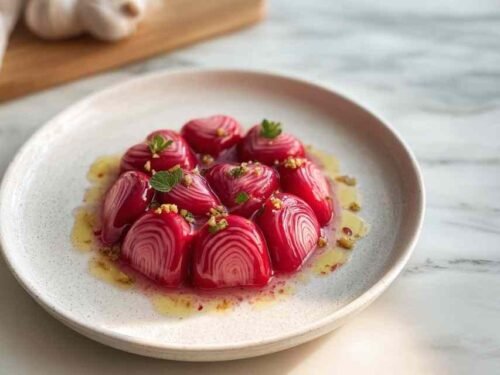
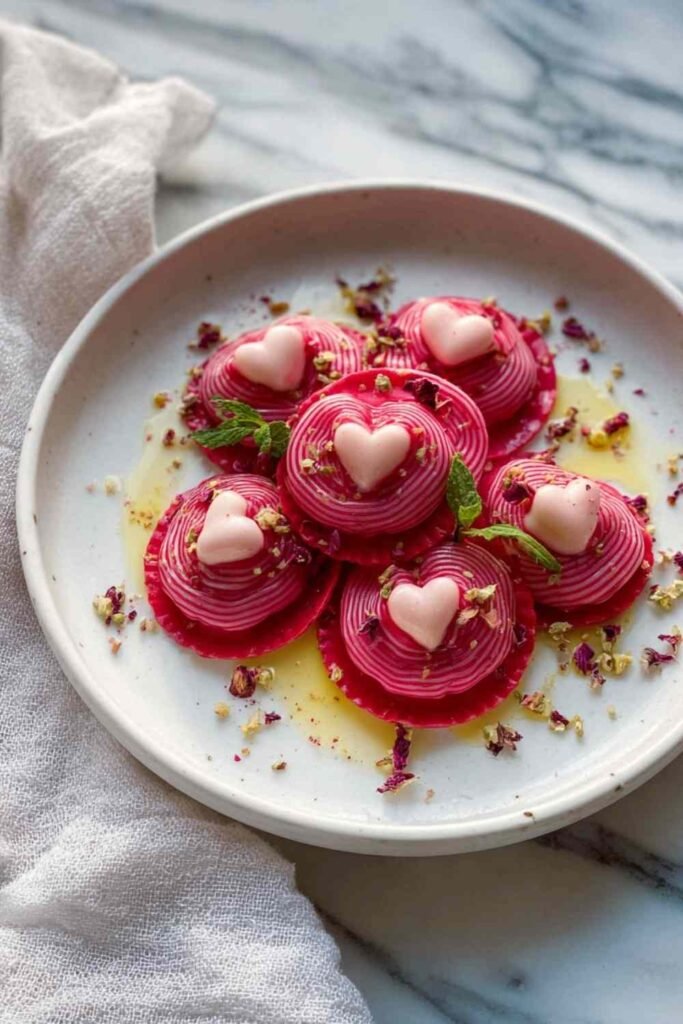
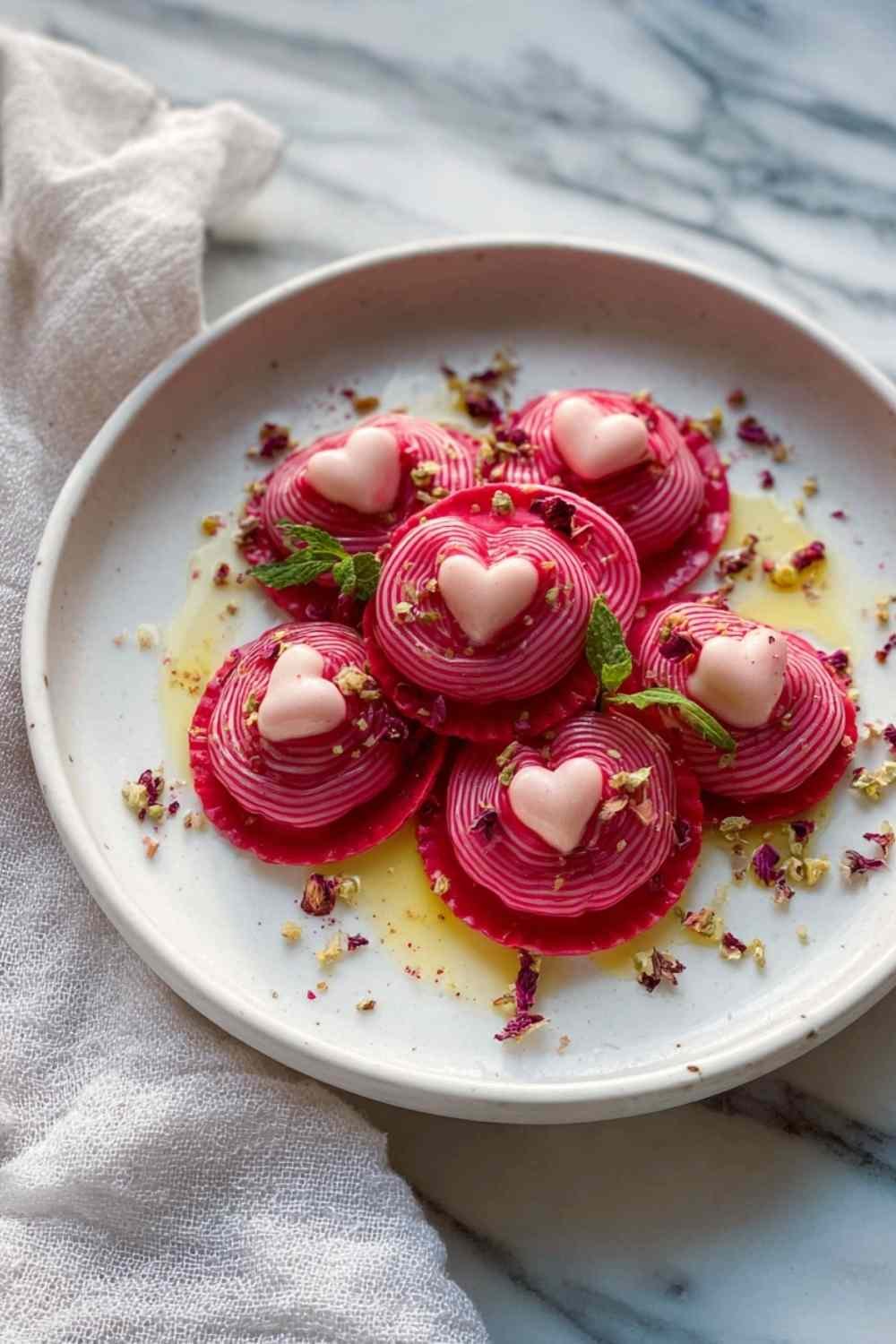
Valentine’s Day Ravioletti brings romance straight to your dinner table with heart-shaped pasta that’s naturally colored with roasted beets. This stunning dish features creamy three-cheese filling and a silky butter sauce that makes any evening feel special.
I’ll never forget the first time I made pink pasta from scratch. I was skeptical that beets could create such a gorgeous color without making everything taste like, well, beets. But when I pulled those delicate pink hearts from the pot and saw them glistening in butter sauce, I knew this recipe was something truly magical. The creamy ricotta-goat cheese filling with hints of lemon and fresh herbs creates the perfect balance of richness and brightness. Whether you’re planning a romantic dinner for two or want to impress guests at your next dinner party, this recipe delivers restaurant-quality results right in your home kitchen. The best part? You can prep the components ahead of time, making entertaining so much easier.
Let’s get cooking!
Table of Contents
Ingredients for Valentine’s Day Ravioletti
When working with beet-colored pasta, I always recommend using fresh raw beets rather than pre-cooked varieties. The vibrant pink hue you’ll achieve is absolutely worth the extra roasting time. My go-to method involves roasting beets cut-side down in a covered dish, which keeps them incredibly moist and easy to peel. The dough itself has a subtle earthy sweetness that pairs beautifully with the tangy cheese filling.
For the roasted beet purée:
2 medium red beets, cleaned
For the dark pink dough:
2 tablespoons roasted beet purée (30 grams)
1 large egg (55 grams)
2 large egg yolks (30 grams) – I recommend using room temperature eggs
1⅓ cups ’00’ pasta flour or all-purpose flour (200 grams)
For the light pink dough:
1 tablespoon roasted beet purée (15 grams)
1½ large eggs, whisked together (70 grams)
2 large egg yolks (30 grams)
1⅓ cups ’00’ pasta flour or all-purpose flour (200 grams) – My preference is ’00’ flour for the silkiest texture
For the filling:
8 ounces high-quality full-fat ricotta (225 grams) – In my experience, quality ricotta makes all the difference
Zest of 1 small lemon – I usually add an extra squeeze of juice for brightness
Squeeze of lemon juice (optional)
For serving:
½ cup cold unsalted butter, cut into tablespoons (115 grams/1 stick)
Kosher salt
½ cup raw walnuts, toasted and coarsely chopped (50 grams) – Pro tip: toast these until fragrant
Fresh mint leaves, dill fronds, and minced chives
Step-by-Step Instructions
I recommend using a kitchen scale for the most consistent results, especially when measuring flour and eggs for pasta dough. This small step makes a noticeable difference in texture.
Step 1: Heat your oven to 400°F. Trim the stems and roots from the beets so the flesh is exposed and they can stand upright. Place them cut-side down in a small deep baking dish with ¼ inch of water covering the bottom. Cover tightly with foil, prick a few holes in the top, and roast for 45 to 60 minutes until very tender. Check halfway through and add more water if needed to prevent drying.
Step 2: When the beets are cool enough to handle but still warm, peel off the skins with your hands or paper towel. They should slip right off. Roughly chop and transfer to a small blender, then purée until completely smooth. Add water one tablespoon at a time if needed to help blend.
Step 3: For each pasta dough (you’ll make two separate batches), mix the beet purée, eggs, and yolks in a bowl until well combined. Add flour to a food processor, then pour in the liquid mixture. Pulse until the mixture resembles coarse crumbs, then turn out onto your work surface and knead by hand until smooth and elastic, about 8 to 10 minutes. Wrap each dough separately and let rest at room temperature for at least 30 minutes and up to 2 hours.
Step 4: While the dough rests, toast your walnuts in a dry skillet over medium heat for 3 to 4 minutes until fragrant and lightly golden. Set aside to cool, then coarsely chop.
Step 5: Pulse the ricotta, goat cheese, and Parmigiano-Reggiano in a food processor until completely smooth. Season generously with salt and pepper, then add chives and lemon zest. Pulse briefly just until combined. Transfer to a piping bag or bowl and refrigerate until ready to use.
Step 6: Roll out your rested dough to the appropriate thickness for ravioli, typically setting 6 or 7 on a pasta machine. Use your ravioli mold to form the hearts, piping about 1 teaspoon of filling into each cavity. Cover with a second sheet of pasta, seal well, and use a rolling pin to press firmly. Cut into decorative rounds using a 1½-inch fluted cookie cutter.
Step 7: Bring a large pot of water to a gentle boil and season generously with salt. In a large skillet over medium-high heat, add ¼ cup pasta cooking water and bring to a lively simmer. Reduce heat to low and whisk in cold butter one piece at a time until melted and emulsified. The key here is keeping the heat low and whisking constantly to prevent the sauce from breaking. Season with salt and keep warm on the lowest heat.
Step 8: Gently drop the ravioletti into boiling water, shaking off excess flour. Stir briefly to prevent sticking. Cook for 2½ to 3 minutes, stirring occasionally, until tender. Always taste-test one to check doneness. Transfer to the butter sauce using a spider sieve or slotted spoon, then swirl the pan until well coated.
Step 9: Divide the ravioletti among plates and spoon extra butter sauce on top. Finish with toasted walnuts and a generous sprinkle of fresh herbs. Serve immediately while hot.
Perfect Pairings for Valentine’s Day Ravioletti
The delicate flavors and creamy texture of these ravioletti pair beautifully with lighter sides that won’t overpower the dish.
Arugula Salad with Lemon Vinaigrette: The peppery bite of fresh arugula dressed in bright lemon vinaigrette cuts through the richness of the butter sauce perfectly, while adding a refreshing contrast that cleanses the palate between bites. Try this Mediterranean Chickpea Salad for a protein-packed twist.
Garlic Bread with Herbs: Crusty bread brushed with garlic butter and fresh herbs is ideal for soaking up every drop of that silky butter sauce, ensuring nothing goes to waste while adding a satisfying crunch to your meal. These Garlic Bread Rolls are perfect for the occasion.
Roasted Asparagus: Tender asparagus spears roasted with olive oil and sea salt bring an elegant vegetable component that complements the pasta’s creamy filling while adding nutritional balance and beautiful color to your plate.
Sautéed Spinach with Garlic: Simple garlicky spinach provides iron-rich nutrition and earthy flavors that harmonize with the goat cheese filling. For a heartier option, consider Spinach and Ricotta Stuffed Shells as a complementary side.
Prosecco or Pinot Grigio: A crisp, sparkling Prosecco or light Pinot Grigio enhances the romantic atmosphere while providing acidity that balances the rich cheese and butter, making each bite taste as delicious as the first.
Keeping Your Ravioletti Fresh
Store any leftover beet purée in an airtight container in the refrigerator for up to 3 days, or freeze it for up to 3 months for future pasta-making adventures. The cheese filling also keeps beautifully when refrigerated in a sealed piping bag or container for up to 3 days, making advance prep a breeze.
For the best texture and flavor, serve your ravioletti immediately after cooking. The delicate pasta and butter sauce don’t store well once combined. However, you can freeze uncooked ravioletti on a baking sheet until solid, then transfer to a freezer bag for up to 2 months. Cook directly from frozen, adding just 1 to 2 minutes to the cooking time.
When reheating butter sauce that has separated, add a splash of hot pasta water and whisk vigorously over low heat until it comes back together. Pro tip: keep the heat low and whisk constantly to maintain that silky emulsified texture everyone loves.
FAQs
Can I make the pasta dough without a food processor?
Absolutely! You can make the dough entirely by hand using the traditional well method. Just be prepared for slightly pink-stained hands and a bit more mixing time to incorporate the beet purée evenly.
Why do I need two different shades of pink dough?
The two-tone effect creates a beautiful ombre or marbled appearance in your finished ravioletti. The contrasting shades make each piece look professionally crafted and add visual interest to your presentation.
Can I substitute the goat cheese in the filling?
Yes, you can use additional ricotta or cream cheese instead. The goat cheese adds a distinctive tangy flavor, but the filling will still be delicious with all ricotta or a ricotta-cream cheese blend.
Conclusion
This Valentine’s Day Ravioletti recipe transforms a special occasion dinner into an unforgettable culinary experience. The naturally pink pasta paired with creamy cheese filling and simple butter sauce proves that impressive doesn’t have to mean complicated. Whether you’re celebrating romance or simply treating yourself to something beautiful, this recipe delivers stunning results that taste as amazing as they look. Give it a try and watch your dinner table transform into something truly magical.
Valentine’s Day Ravioletti
Heart-shaped ravioletti with naturally pink beet pasta dough, creamy three-cheese filling, and silky butter sauce with walnuts and fresh herbs. Perfect for romantic dinners and special occasions.
1⅓cups’00’ pasta flour or all-purpose flourfor dark pink dough
1tbsproasted beet puréefor light pink dough
1½large eggswhisked together, for light pink dough
2large egg yolksfor light pink dough
1⅓cups’00’ pasta flour or all-purpose flourfor light pink dough
8ozhigh-quality full-fat ricotta
6ozsoft goat cheese
2ozfinely grated Parmigiano-Reggiano
Kosher salt and freshly ground black pepperto taste
2tbspminced fresh chivesto 3 tablespoons
1small lemonzested
lemon juiceoptional squeeze
½cupcold unsalted buttercut into tablespoons (1 stick)
Kosher saltfor pasta water and butter sauce
½cupraw walnutstoasted and coarsely chopped
Fresh mint leaves, dill fronds, and minced chivesfor garnish
Equipment
Small deep baking dish or loaf tin
Small blender
Food processor
Pasta machine or rolling pin
Heart-shaped ravioli mold
1½-inch fluted cookie cutter
Piping bag
Large pot
Large skillet or sauté pan
Spider sieve or slotted spoon
Kitchen scale
Method
Heat the oven to 400°F. Trim the stems and roots from the beets so the flesh is exposed and they can stand upright. Place them cut-side down in a small deep baking dish with ¼ inch of water covering the bottom. Cover tightly with foil, prick a few holes in the top, and roast for 45 to 60 minutes until very tender. Check halfway through and add more water if needed.
When the beets are cool enough to handle but still warm, peel off the skins with your hands or paper towel. Roughly chop and transfer to a small blender, then purée until completely smooth. Add water one tablespoon at a time if needed to help blend.
For each pasta dough (you’ll make two separate batches), mix the beet purée, eggs, and yolks in a bowl until well combined. Add flour to a food processor, then pour in the liquid mixture. Pulse until the mixture resembles coarse crumbs, then turn out onto your work surface and knead by hand until smooth and elastic, about 8 to 10 minutes. Wrap each dough separately and let rest at room temperature for at least 30 minutes and up to 2 hours.
While the dough rests, toast your walnuts in a dry skillet over medium heat for 3 to 4 minutes until fragrant and lightly golden. Set aside to cool, then coarsely chop.
Pulse the ricotta, goat cheese, and Parmigiano-Reggiano in a food processor until completely smooth. Season generously with salt and pepper, then add chives and lemon zest. Pulse briefly just until combined. Transfer to a piping bag or bowl and refrigerate until ready to use.
Roll out your rested dough to the appropriate thickness for ravioli, typically setting 6 or 7 on a pasta machine. Use your ravioli mold to form the hearts, piping about 1 teaspoon of filling into each cavity. Cover with a second sheet of pasta, seal well, and use a rolling pin to press firmly. Cut into decorative rounds using a 1½-inch fluted cookie cutter.
Bring a large pot of water to a gentle boil and season generously with salt. In a large skillet over medium-high heat, add ¼ cup pasta cooking water and bring to a lively simmer. Reduce heat to low and whisk in cold butter one piece at a time until melted and emulsified. The key here is keeping the heat low and whisking constantly to prevent the sauce from breaking. Season with salt and keep warm on the lowest heat.
Gently drop the ravioletti into boiling water, shaking off excess flour. Stir briefly to prevent sticking. Cook for 2½ to 3 minutes, stirring occasionally, until tender. Always taste-test one to check doneness.
Transfer the cooked ravioletti to the butter sauce using a spider sieve or slotted spoon, then swirl the pan until well coated. Divide among plates and spoon extra butter sauce on top. Finish with toasted walnuts and a generous sprinkle of fresh herbs. Serve immediately while hot.
Notes
Fresh raw beets are essential for the vibrant pink color. Pre-cooked beets will not yield the same results. Each dough recipe serves 2 people, so double the recipe to serve 4. Using a kitchen scale for measuring ingredients, especially flour and eggs, ensures the best texture. The beet purée can be made up to 3 days ahead and refrigerated, or frozen for up to 3 months. The cheese filling can also be prepared up to 3 days in advance. Uncooked ravioletti can be frozen on a baking sheet, then transferred to a freezer bag once solid.
a recipe developer, food enthusiast, and busy parent based in Denver, CO. I created Yumnights because I believe that delicious, healthy dinners shouldn’t require hours in the kitchen or a culinary degree to master.