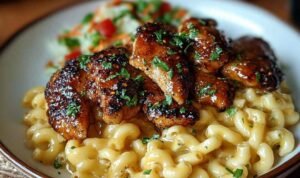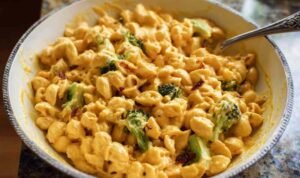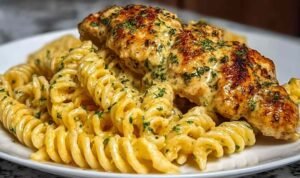



Creamy Baked Mac and Cheese is the ultimate comfort food that brings my family running to the dinner table every time. There’s something magical about perfectly melted cheese coating tender pasta with a golden, crispy top that makes even the pickiest eaters ask for seconds.
This recipe combines sharp cheddar, creamy mozzarella, and nutty Parmesan for incredible depth of flavor. The secret lies in making a proper cheese sauce that stays silky smooth and coating every piece of pasta evenly. I’ve perfected this over countless weeknight dinners (including one memorable attempt where I overcooked the roux and had to start over), and now it’s one of our family’s most-requested meals. Whether you need a satisfying main dish or a crowd-pleasing side for your next gathering, this baked mac and cheese delivers.
Table of Contents
Ingredients for Creamy Baked Mac and Cheese
I’ve made this recipe at least 50 times, and I’ve learned exactly which ingredients create that perfect creamy texture without any graininess. My number one tip is to buy block cheese and shred it yourself rather than using pre-shredded varieties. Those pre-shredded bags contain anti-caking agents (usually cellulose) that prevent smooth melting and can make your sauce grainy instead of silky.
- 8 oz elbow macaroni
- 2 cups sharp cheddar cheese, shredded from block (I recommend Tillamook or Cabot for consistent melting)
- 1 cup mozzarella cheese, shredded from block
- 3/4 cup grated Parmesan cheese, divided (1/2 cup for sauce, 1/4 cup for topping)
- 3 tbsp unsalted butter (for sauce)
- 1/4 cup all-purpose flour
- 2 cups whole milk (my preference is always whole milk for the richest sauce, though 2% works in a pinch)
- 1/2 tsp garlic powder
- 1/2 tsp onion powder
- 1/4 tsp paprika (adds subtle color and warmth)
- Salt and black pepper to taste
- 1/2 cup panko breadcrumbs (I usually toast these in butter first for extra crunch)
- 2 tbsp unsalted butter, melted (for topping)
Step-by-Step Instructions
In my experience, the key to perfect mac and cheese is patience with the cheese sauce and keeping your heat at medium-low once you add the cheese. Rush this step, and you’ll end up with a grainy, separated mess instead of creamy perfection.
Step 1: Preheat your oven to 350°F (177°C) and lightly grease a 2-quart baking dish (a 9×9 inch or 8×8 inch square pan works perfectly). Bring a large pot of salted water to a rolling boil, then cook the macaroni for 6-7 minutes, about 1 minute less than the package directions. The pasta will continue cooking in the oven, so you want it slightly underdone at this stage. Drain thoroughly and set aside.
Step 2: In a medium saucepan over medium heat, melt 3 tablespoons of butter until it just starts bubbling. Whisk in the flour and cook for 60-90 seconds, stirring constantly, until the mixture turns light golden and smells slightly nutty. This step is crucial for cooking out the raw flour taste that can ruin your sauce.
Step 3: Gradually pour in the milk in a slow, steady stream while whisking continuously to prevent lumps from forming. Keep whisking for 4-5 minutes until the mixture thickens noticeably. You’ll know it’s ready when you can drag your whisk through the sauce and it holds the line for a second before flowing back together. The sauce should coat the back of a spoon in a thin, even layer.
Step 4: Reduce heat to low (or remove the pan from heat entirely if your stove runs hot). Add the cheddar first, stirring gently until about 80% melted, then add the mozzarella, and finally stir in 1/2 cup of the Parmesan. Work in batches and stir slowly. Pulling the pan off the heat while stirring prevents the proteins in the cheese from seizing up and getting stringy. Season with garlic powder, onion powder, paprika, salt, and pepper. The sauce will look thinner than you expect, but it thickens as it bakes and cools.
Step 5: Fold the cooked macaroni into the cheese sauce, stirring gently with a rubber spatula until every piece is coated. Transfer this mixture to your prepared baking dish and spread it evenly, pressing down lightly to eliminate air pockets.
Step 6: In a small bowl, combine panko breadcrumbs with 2 tablespoons melted butter and the remaining 1/4 cup Parmesan cheese. Mix with a fork until the crumbs are evenly coated, then sprinkle this mixture in an even layer over the mac and cheese.
Step 7: Bake for 25-30 minutes until the top turns golden brown and you can see the cheese sauce bubbling around the edges. Let it rest for 5-10 minutes before serving. This resting time is not optional. It allows the sauce to set up properly, making it much easier to serve clean portions instead of a soupy mess.

Perfect Pairings for Your Mac and Cheese
This creamy comfort food pairs beautifully with fresh, crisp sides that balance its richness and add nutritional variety to your plate. Since mac and cheese can be heavy on its own, I always serve it with at least one vegetable side.
Simple Green Salad: A crisp salad with mixed greens, cherry tomatoes, and a tangy vinaigrette cuts through the richness of the cheese sauce perfectly. The acidity from the dressing helps cleanse your palate between bites and makes the meal feel less heavy.
Roasted Broccoli: Tossing broccoli florets with olive oil, garlic, and a squeeze of lemon creates a vegetable side that complements the creamy pasta while adding fiber and vitamins. The slight char from roasting adds wonderful flavor depth that pairs beautifully with cheese.
Garlic Bread: Crispy, buttery garlic bread is a classic pairing that my kids absolutely demand every time. It’s perfect for soaking up any extra cheese sauce left on the plate.
Grilled Chicken: For a heartier dinner, serve alongside simply seasoned grilled chicken breast or thighs. This transforms the mac and cheese from a side dish into a complete, protein-packed family meal without much extra effort.
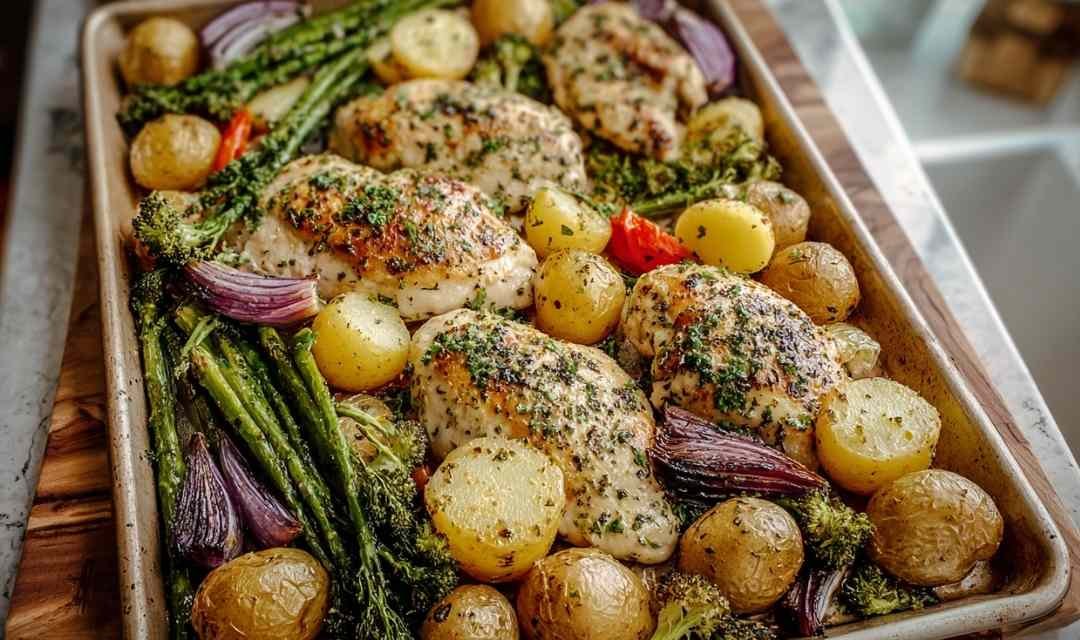
Sheet Pan Sausage and Veggies: Roasted sausage with colorful bell peppers and onions adds protein and makes this feel like a complete dinner. The slight char on the vegetables contrasts nicely with the creamy pasta.
Sautéed Green Beans: Quick-cooked green beans with a touch of butter and toasted almonds provide a light, crunchy element that balances the soft, creamy texture of the pasta perfectly.
Storage & Serving Tips
Store leftovers in an airtight container in your refrigerator for up to 3-4 days. The cheese sauce will definitely thicken as it cools, which is completely normal and doesn’t affect the taste. For longer storage, I’ve successfully frozen portions in freezer-safe containers for up to 2 months, though I’ll be honest that the texture is always best when enjoyed fresh or refrigerated rather than frozen.
When reheating, always add a splash of milk (2-3 tablespoons per serving) to restore that creamy consistency. I recommend covering the dish with foil and warming it in a 350°F oven for 15-20 minutes, or microwave individual portions with a tablespoon of milk for 2-3 minutes, stirring halfway through. The oven method gives you back some of that crispy top, while the microwave is faster for weekday lunches.
This recipe is incredibly versatile once you master the basic version. I’ve stirred in cooked bacon, diced ham, or roasted vegetables before baking to customize it for different occasions. For potlucks, I assemble everything except the breadcrumb topping, refrigerate overnight, then add the topping and bake just before serving. Just remember to add 10 extra minutes to the baking time if starting from cold.
FAQs
Can I make this mac and cheese ahead of time?
Yes! Assemble the entire dish up to 24 hours in advance, cover tightly with plastic wrap, and refrigerate. Add the breadcrumb topping just before baking, and increase the baking time by 10 minutes since you’re starting with a cold dish.
Why did my cheese sauce turn grainy?
Cheese can seize and become grainy if heated too quickly or at too high a temperature. Always use medium-low heat when adding cheese, and I actually pull the pan completely off the heat while stirring in the cheese to ensure smooth, creamy results every time.
Can I substitute different types of cheese?
Absolutely! Try Gruyere for a more sophisticated flavor, add smoked cheddar for depth, or use fontina for extra creaminess. Just make sure at least one of your cheeses is known for melting smoothly. Avoid using only hard cheeses like Parmesan, which won’t create that creamy, flowing texture you want.

Creamy Baked Mac and Cheese
Ingredients
Equipment
Method
- Preheat oven to 350°F (177°C) and lightly grease a 2-quart baking dish (9×9 or 8×8 inch square pan). Cook macaroni in salted boiling water for 6-7 minutes, about 1 minute less than package directions. The pasta will continue cooking in the oven. Drain thoroughly and set aside.
- Melt 3 tablespoons butter in a medium saucepan over medium heat. Whisk in flour and cook for 60-90 seconds, stirring constantly until the mixture turns light golden and smells slightly nutty.
- Gradually pour in milk in a slow, steady stream while whisking continuously. Continue whisking for 4-5 minutes until mixture thickens noticeably and coats the back of a spoon in a thin, even layer.
- Reduce heat to low or remove pan from heat entirely. Add cheddar first, stirring gently until about 80% melted, then add mozzarella, and finally stir in 1/2 cup Parmesan. Work in batches and stir slowly to prevent the cheese from seizing. Season with garlic powder, onion powder, paprika, salt, and pepper.
- Fold cooked macaroni into cheese sauce using a rubber spatula until every piece is coated. Transfer to prepared baking dish and spread evenly, pressing down lightly to eliminate air pockets.
- Combine panko breadcrumbs with 2 tablespoons melted butter and remaining 1/4 cup Parmesan. Mix with a fork until crumbs are evenly coated, then sprinkle in an even layer over mac and cheese.
- Bake for 25-30 minutes until top is golden brown and cheese sauce is bubbling around edges. Let rest 5-10 minutes before serving to allow sauce to set properly.
Notes